Enlist and Xtend: What Boom Specifications Are Required?
New labels for herbicide products to be used in Enlist and Xtend crops have unique application specifications.

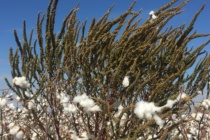
New labels for herbicide products to be used in Enlist and Xtend crops have unique application specifications.
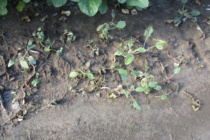
New auxin herbicide-resistant crop technologies are not a return to the days when Palmer amaranth of any size could be completely controlled with a single herbicide application
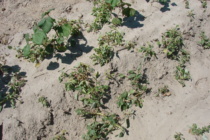
New herbicide-resistant technologies offer the option to use herbicides previously not labeled for in-season application in cotton and soybean
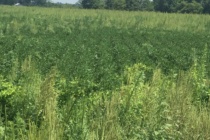
New herbicide-resistant crop options are available for 2017 in the form of the Enlist Weed Control System from Dow Agrosciences and the Roundup Ready Xtend Crop System from Monsanto.
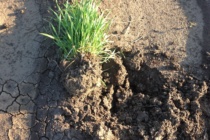
Spring tillage with the intent of controlling GR Italian ryegrass is nearly futile.
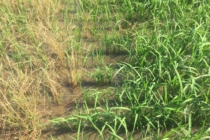
Fields to be planted to rice that contain glyphosate-resistant Italian ryegrass should be managed aggressively
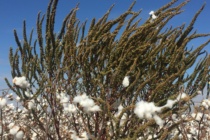
Mississippi producers interested in purchasing auxin-containing herbicides intended for in-crop use on 2,4-D- or dicamba-tolerant crops must first complete mandatory online training.
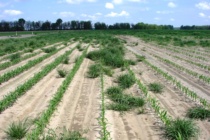
An early burndown targeting Italian ryegrass is more critical in fields to be planted to corn than those that will be planted to other crops.
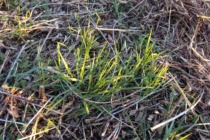
An early burndown application in January or early-February for Italian ryegrass allows time to determine how well the first application worked and flexibility in deciding how to control escapes.
The Mississippi Soybean Association will be hosting the Mississippi Soybean Forum on Monday November 14 at the Capps Center in Stoneville, MS. The forum will include a presentation from Dan Bremer of Ag Works LLC. about the future of the
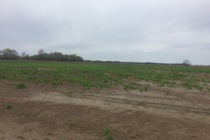
The best chance for reliable glyphosate-resistant Italian ryegrass control is with residual herbicides applied in the fall.
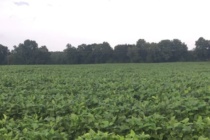
As we approach soybean physiological maturity, determining the specific soybean growth stage can aid in several important management decisions. Distinct differences exist between the R6 and R6.5 growth stage.
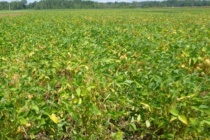
Over the past week, following the excessive rainfall received through most of the soybean production area, several calls have been received regarding soybean seed sprouting in the pods.
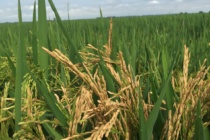
Bacterial panicle blight has been a rare disease in MS rice production systems. Over the past several years, bacterial panicle blight has only been observed in years when high temperatures occurred for extended periods of time during flowering. The specific
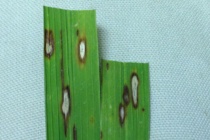
Leaf blast has been observed in the MS rice crop for the better part of the last three weeks. In most cases, lesions were observed in areas of fields where the floodwater was less than four inches.
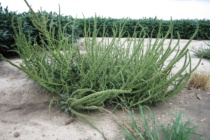
Controlling GR Palmer amaranth on turnrows and ditchbanks has become a critical component to weed control.
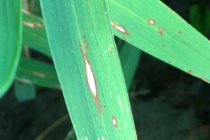
Included in this blog post are a rice disease calendar. Information presented in the calendar deals with the most commonly observed rice diseases throughout the MS rice production area. In general, the occurrence of diseases on rice will depend on the planting date, general field history as related to previous crop, and the environmental conditions throughout the season.
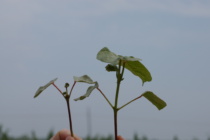
Calls about thrips treatments in seedling cotton have been picking up substantially this week. As ryegrass and other ditchbank hosts begin to dry down, thrips numbers will likely increase in the next couple weeks. The 100% chance of rain today (5/20) now
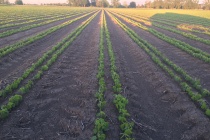
The most recent NASS survey says that as of May 1, 48% of soybean acres had been planted, which is well ahead of both Louisiana (36%) and Arkansas (24%). Given the wet weather we had over the weekend and yesterday,
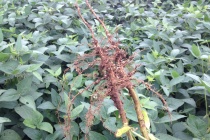
Soybean is a leguminous crop that obtains its nitrogen (N) from an association with a bacterium in the soil called Bradyrhizobium japonicum. The association between the soybean and the bacterium takes place in nodules that form on the soybean roots
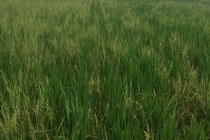
Barnyardgrass that is allowed to survive and produce seed in soybean can cripple a rice weed control program the following year.
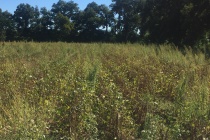
Suggested herbicide programs in Mississippi soybean have been updated to address multiple resistance to glyphosate, ALS, and/or PPO herbicides in Palmer amaranth.
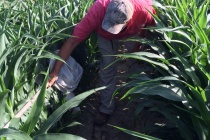
Mississippi State University will be hosting 5 scout schools this year. We have transitioned over the years to make these trainings much more diverse than insect pest alone. This year we will be including insects, disease, fertility, and herbicide symptomology.
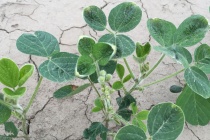
Observing the preplant intervals for 2,4-D and dicamba prior to planting is important.
Barnyardgrass is the most common and troublesome weed of Mississippi rice.

© 2023 Copyright Mississippi Crops. All Rights reserved.
