Early Season Production System (ESPS) Still Fit Mississippi Production?
As soybean varieties change and new traits and germplasm are brought forward it would stand to reason that the tried and proven ESPS still fits today’s practices.

As soybean varieties change and new traits and germplasm are brought forward it would stand to reason that the tried and proven ESPS still fits today’s practices.
As we close out another growing season a reoccurring question continues to be asked, “When can I terminate irrigation in my soybeans?â€
The reality of weed control in the Midsouth today is that the weed control season is never over. Because of glyphosate-resistant weeds, we are either in the process of killing weeds or we should be thinking about how to kill them.
Farmers really don’t have a proverbial “slow time†anymore but now is a good time to remove any weeds from field borders and edges to prevent seed production.
In an effort to aid Mississippi producers in their decision making process a statewide survey was conducted to determine where glyphosate and/or ALS-resistant Palmer amaranth was present in the state.
Many producers have utilized paraquat, sold under the trade name Gramoxone Inteon®, to control emerged weeds at planting. Often times a chemical manufacturer will modify a herbicide formulation to create a safer, more stable, and/or effective herbicide. However, a recent formulation change in Gramoxone Inteon has resulted in some mixing issues in some parts of Mississippi.
There have been a lot of people questioning “how much of my residual herbicide is left after all this rain?†How much residual value is left may depend on what kind of herbicide was used.
Soybean planting is underway in many parts of the Delta and I have already received a number of calls about pigweed already being emerged in some fields. It is absolutely imperative that these emerged pigweeds are controlled prior to planting. Early weed competition can significantly impact soybean yields not to mention we don’t have many options to control emerged pigweed in soybean.
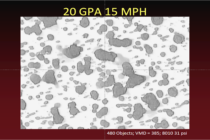
As producers prepare for spray applications this growing season, it is imperative to consider proper spray nozzle selection. As ground speed increases, the orifice size of the nozzle must be increased to maintain the desired GPA. A larger orifice naturally produces larger droplets which equates to poor coverage with contact herbicides. With this in mind, it is recommended to make spray applications at a reasonable ground speed that allows for the use of a spray nozzle that will produce a medium droplet size conducive for contact herbicides.
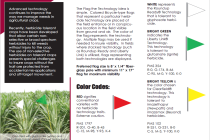
For the past 15 years the only herbicide program that most producers have known was the use of glyphosate in Round Ready® crops. With glyphosate-resistant weeds becoming more of an issue there has been an increase in demand for alternative control options.

© 2023 Copyright Mississippi Crops. All Rights reserved.
