Weed of the Week: Sicklepod
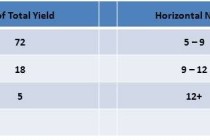
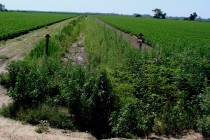
Sicklepod is competitive with row crops during their seedling stages, so the first few weeks after planting are critical for control.
Fall armyworm can be a challenging pest to find and an even more challenging pest to manage in some crops. The damage that they cause and their management varies greatly from crop to crop. The reason for this is due to their preferred feeding sites on different crops and the presence of host strains.
One area of concern in glyphosate-resistant (GR) Palmer amaranth management is controlling this species on turnrows, field borders, and ditchbanks. Clean crop fields surrounded on turnrows and/or ditchbanks by GR Palmer amaranth is a common sight in areas where it
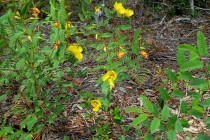
Partridgepea is often used as a wildlife forage because of the variety of species that feed off of the plant.
This year started out with most folks expecting higher than usual bollworm numbers due to the mild winter. Couple that with increased corn acres and the perfect storm was thought to be brewing. This is why entomologists get “shifty†when
Aphids have really been blowing up recently in cotton across Mississippi, so I wanted to give a quick update on our bioassay results from this year. To date, I have not tested a single colony that was susceptible to neonicotinoids.
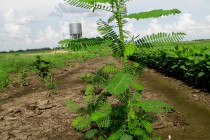
Late-emerging hemp sesbania is problematic at harvest due to its height, woody stem, and the fact that its black seed contaminate grain samples.
Over the past week we have been getting a significant amount of rain across most of Mississippi. Unfortunately, most insects don’t mind the rain. Other than spider mites and aphids, we will likely have to continue managing insects in all crops despite the rain.
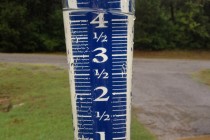
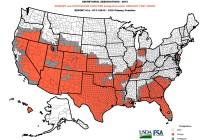
Much needed rainfall has been received over the past week to ten days in many areas of the state; however, there are several areas that remain at a moisture deficit. Rainfall in some areas of the state has exceeded 8â€
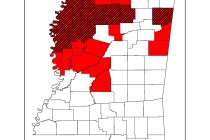
For the second year in a row bacterial blight of cotton has been observed on numerous acres in the MS production system. Compared to 2011, twice as many counties have been observed to contain infected plant material.
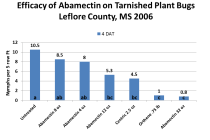
Over the last couple of weeks I have actually gotten quite a few questions about whether or not abamectin alone has any activity on plant bugs. Plant bugs have been light this year to date and spider mites have been
The World Agricultural Outlook Board of USDA released their monthly World Agricultural Supply and Demand Estimates report (WASDE) this morning, July 11. The report revealed what most had feared, a much lower per acre yield than trend would suggest. The
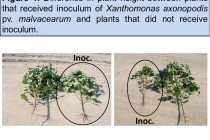
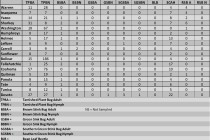
Inoculation trials were conducted during the 2011 season to determine the response of several popular cotton varieties to the bacterial blight organism. The attached blog post is a poster that was presented at the 2012 Beltwide Cotton Conferences that were held in Orlando, FL in January 2012.
It has been a number of years since a field day was conducted at the R.R. Foil Plant Science Research center near the campus of Mississippi State University. To that end, a row crop field day will be held on
Root-knot nematode damaged cotton fields have been observed in at least two fields this season. With the loss of Temik, farmers have had to rely on alternative methods to manage high nematode populations.
Bacterial blight of cotton has once again been observed in the MS cotton production area. Angular lesions associated with the disease can easily be confused with many other foliar diseases as well as other important issues in cotton. Observe the photos for help in scouting for the disease that until the past two seasons has been a fairly rare occurrence in MS.
Overall, tarnished plant bug numbers appear to be decreasing across the Delta. Several things are contributing to this decline. The biggest factor is that the hot, dry weather is starting to take it’s toll on a lot of the wild
(Correction to Mississippi cotton acreage change from March has been made) The much anticipated, and likely to be much debated, 2012 Acreage report from USDA was released this morning (June 29). Nationally, the report bumped up the number of acres
spider mite update6_29_12 Click link to view Spider Mite Article by Scott Stewart, University of Tennessee: http://news.utcrops.com/2012/06/spider-mites-on-the-increase/
Up until this week, much of the crop throughout the state appeared to be in good shape. However, the onset of high heat combined with the lack of rainfall has made this a pivotal week for cotton in many areas
This week has been the turning point on plant bugs and appears to be the week for the mass movement of migrating adults into cotton fields in many areas. Compared to previous years we are 10-14 days behind schedule. There have been quite a few sprays going out for tarnished plant bug this year but as a whole numbers have actually not been as high to date as many of us would have thought with the warm winter.
In general, the cotton crop in Mississippi appears to be in good shape. Some areas are beginning to need some rainfall; however, a few fields just got water off low areas a few days ago. Blooms are becoming more prevalent
Generally speaking, the 2012 crop is ahead of where we typically are at this time of year. Much of this can be attributed to planting earlier than usual due to warm weather conditions earlier in the spring. Blooms have already