Lygus, Lygus, Lygus- Podcast
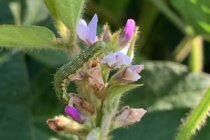
Angus and Whitney sit down with Bobby and Jason to talk all things Tarnished Plant Bug including Alternate Hosts and Control Measures.
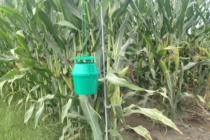
Overall, southwestern corn borer trap numbers are beginning to decline. Only one location in Leflore county exceeded the threshold of 100 per trap this week.
There are several biological insecticide options labelled in soybean; however, the most readily available and widely used product is Heligen. In the last week, many people have asked about the use of Heligen with the low bollworm numbers showing up
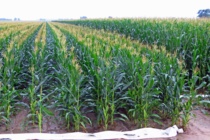
Dr. Erick Larson and Corn Verification Program assistant Mr. Nolan Stapleton discuss one of the most important decisions yet to make – which is when can we terminate irrigation in corn.
Bobby Golden and Jason Bond introduce Extension cotton specialist Brian Pieralisi to the podcast and talk cotton OVTs, off-target drift and cotton stomping…among other things.
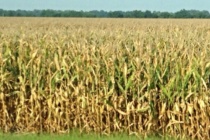
Dr. Erick Larson and Corn Verification Program assistant Mr. Nolan Stapleton discuss how to identify dent stage, maturity timelines, and refining irrigation scheduling for Mississippi’s corn crop.
The corn agronomy guys are also recording Mississippi Crop Situation Podcasts. We are using this format to share our latest recommendations and issues we are finding in the Corn Verification Program and grower fields throughout the state.
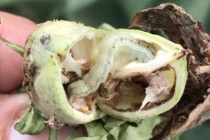
This last week there have been reports of bollworm eggs starting to show up in Mississippi Cotton. Generally speaking, in a normal year the bollworm flight would begin around July 4th, and peak around the 15th. The wet spring pushed
http://extension.msstate.edu/mississippi-crop-situation/audio/2020/rice-insect-update Bobby and Jason sit down with Jeff to discuss insect management in rice and what to look for moving forward into the year
http://extension.msstate.edu/mississippi-crop-situation/audio/2020/prepare-for-the-bollworm-flight Bobby sits down with the entomology team (Angus, Jeff, Don, and Whitney)to discuss the impending bollworm flight, what to look for and how to move forward.
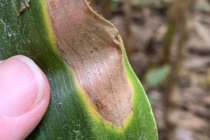
The presence of foliar diseases in the MS corn production system has certainly increased over the past several weeks. In general, the presence of disease increases as the corn crop ages. Questions regarding common and southern rust, Curvularia leaf spot, Diplodia leaf streak, and Physoderma brown spot have been posed over the past several weeks. Information regarding the aforementioned diseases is contained in the current blog post.
Trap count continue to increase in many regions of the state, but few are at threshold. As a note, the 2 traps that captured high numbers of moths in Tate county last week were knocked down this week and are
Trap counts for southwestern corn borer are highly variable this week. We did have two locations in Tate and Leflore Counties that exceeded the threshold this week. As a reminder, thresholds for southwestern corn borer suggest spraying non-Bt corn 7
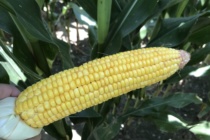
Corn progresses through six stages as ears develop through reproductive growth stages. Identification of these stages can be helpful for timing development, making prudent management decisions and anticipating crop response to practices and environmental conditions.
This is our first week of reporting southwestern corn borer trap counts. We had some numbers reported last week but they were extremely low (0-2). This week, a couple of traps started to pick up more moths, so we may
With the season progressing and the onset of pinhead square, square retention will be an important factor in early season plant bug management. Prior to bloom, monitoring square retention is highly recommended as an additional tool to compliment sweep net
Most of the area rice is close to the permanent flood timing or will be after this tropical depression. With water being one of the most expensive inputs of the rice producer, utilizing methods to limit the amount of water
As the Mississippi corn crop approaches tassel, crop stage and weather conditions may affect your strategy regarding application of various management inputs, including nitrogen fertilizer or other products. This article will discuss factors that affect your strategy and improve your response.
Thrips pressure to date has been a mixed bag. Some areas have reported treatable numbers, while in other areas seed treatments have held well. Going forward, should you need to treat thrips with a foliar insecticide there are a few
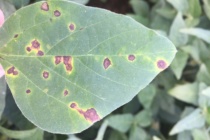
The MSU OVT soybean locations were evaluated for disease during the 2019 season. Multiple diseases were evaluated at multiple locations and are provided in this post. Cercospora blight, frogeye leaf spot (when present), Septoria brown spot, southern blight, and target spot were the most commonly encountered diseases during the season.
The first week of hot, dry weather has folks scrambling to get ready to irrigate and often creates more anxiety than necessary. Deciding when to start irrigating corn can not only be confusing, but can have a considerable effect on crop productivity. This article explains methods to help you make that decision and make more corn.
As we finally move into drier conditions and cotton planting is starting full swing, more and more folks are adopting in-furrow sprays for thrips control. We have had several questions regarding calibration of in-furrow sprays. Below are are few tips