2,4-D and Dicamba Reduce Control of Italian Ryegrass
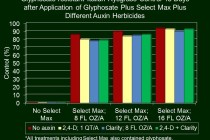
Control of glyphosate-resistant Italian ryegrass was reduced with glyphosate plus Select Max at reduced rates when combined with 2,4-D Ester and/or Clarity.
Over the last several years there has been a media blitz surrounding the decline in honey bee populations around the globe. It seems like the science changes daily as to cause of the problem. Most believe it is a complex
Included in this blog post are ratings collected for frogeye leaf spot as well as Cercospora blight from the 2013 Maturity Group V soybean variety trials. Trials were conducted in Brooksville, Clarksdale (irrigated), Falkner, Longwood, Olive Branch, Raymond, Stoneville (clay and loam). The conventional/LibertyLink trial was only conducted at the Brooksville, Falkner, Longwood, and Stoneville (clay) locations. Ratings were collected based on a 0-9 and are presented from each location for each variety so a range of ratings is available across all environments encountered during the 2013 season.
Included in this blog post are ratings collected for frogeye leaf spot as well as Cercospora blight from the 2013 Maturity Group IV soybean variety trials. Trials were conducted in Brooksville, Clarksdale (irrigated), Falkner, Longwood, Olive Branch, Raymond, Stoneville (clay and loam). The conventional/LibertyLink trial was only conducted at the Brooksville, Falkner, Longwood, and Stoneville (clay) locations. Ratings were collected based on a 0-9 and are presented from each location for each variety so a range of ratings is available across all environments encountered during the 2013 season.
Attached please find the agenda for the Delta Ag Expo in Cleveland, MS. Make careful note that the dates of the meeting have changed from previous years due to a minor scheduling conflict with the Bolivar County Exposition Center.
Attached in this blog post are the variety trial results from the North Mississippi Research and Extension Center in Verona, MS. Harvested yield as well as variety response to natural infection from Cercospora blight and frogeye leaf spot are included in the associated tables.
Variety selection is one of the most critical management decisions associated with soybean production. Factors such as soil type, planting date, irrigation capabilities, row spacing, harvest capacity, and other crops grown all can influence the decision for selecting an appropriate
The 2013 Row Crop Short Course will be held at the Bost Extension Center on the campus of Mississippi State University from December 2 – 4, 2013. The 2013 Row Crop Short Course will begin with an irrigation symposium hosted
The 3rd annual joint MEA/MAPPAN/MWSS annual meeting will be held next week at the Bost Extension Building in Starkville, MS next week. The dates of the meeting are Monday and Tuesday October 21-22. We have a very informative and exciting
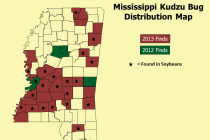
Since the last update several new counties have been added to the list in MS. Currently we 33 counties positive for Kudzu Bugs. Out of the 33 counties, 21 have positive finds in soybeans.
Virus-infected soybean material has been observed almost statewide this season. The high numbers of bean leaf beetles can be blamed for some of the observed viruses; however, bean leaf beetles are not the only insects that can vector soybean viruses between plants. This specific blog update presents information on the three most commonly encountered soybean viruses in the MS soybean production system.
Soybean disease questions still consider to be raised throughout MS. Even though soybean rust has been detected in 45 counties to date it appears we will have another season where yield losses as a result of soybean rust will be extremely limited and may only have occurred in a handful of fields. When making plans for next year consider sampling for nematodes in light textured soil classes. In addition, planting a frogeye susceptible variety in several years in a continuous soybean system may increase the likelihood of frogeye causing substantial yield loss.
While weeds can create problems for harvest equipment, many producers see the benefit of a harvest aid in creating a more rapid and efficient harvest in the absence of weeds
Over the last month we have had numerous questions about terminating stink bug applications in late season soybeans. Typically we manage stink bugs until near harvest but there are several things to consider before making an application to control stink bugs in beans beyond R6 growth stage.
Cereal Grains & Soybeans (by: Brian Williams) The big news this week is yesterday’s WASDE report release (recap here). While many were expecting corn yields to be revised lower this month, yields were actually revised higher to 155.3 bu/acre. This was bearish
Red crown rot has been identified in additional fields in east MS throughout the 2013 season. Prior to 2013 only two counties had been identified as having red crown rot. However, three additional counties have been added this season (Clay, Newton, Union). Red crown rot symptoms can be misdiagnosed as several other diseases, including sudden death syndrome (SDS).
Determining when to terminate irrigation in soybean can be difficult. When making this decision, the goal is to make sure that adequate soil moisture is available to ensure that the soybean seeds reach maximum size. Terminating irrigation too soon can
Foliar diseases of soybean continue to be observed throughout the MS soybean production system. Over the past week additional counties containing soybean rust have been observed throughout the state. Stay tuned to information on the Crop Situation Blog regarding additional counties with soybean rust infected plant material should management suggestions change.
Soybean looper has started to show up in soybean and a few applications have started in some fields. We have several good options to manage soybean looper and all of them should be considered. Belt has become the go to insecticide for looper control in a lot of situations over the last couple of years.
Now that early planted beans are drying down quickly and insect pressure is increasing on late planted soybeans in some areas, many are asking when it is safe to quit spraying insect pest in soybeans. For most pest in soybean
Numerous questions over the past few weeks regarding how well certain fungicide chemistries are managing frogeye leaf spot. Attached please find preliminary rating data from Starkville and Stoneville on how well particular products are managing observable symptoms of frogeye leaf spot. Additional data to follow as we continue to rate plots.
Terminating soybean irrigation too early can result in lower yield due to decreased seed size. At the same time, irrigating when the crop no longer needs water can be a waste of time and resources. On Friday, August 30, 2013
Numerous diseases continue to be reported from throughout the MS soybean production area. Frogeye leaf spot continues to be the main foliar disease observed. Additional soybean rust was reported from Adams County this past week. However, since low levels of the disease continue to be reported the suggestion remains that farmers wait and watch the available information and allow soybean to get as close to reproductive developmental stages before making a fungicide application.
Cereal Grains & Soybeans (by: Brian Williams) Two bullish reports this week have helped boost prices for corn and soybeans. While many analysts were expecting an increase in corn production in this month’s World Agricultural Supply and Demand Estimates (WASDE), USDA
Bean leaf beetle numbers have been much higher than they have been in the last couple years. We have actually made bean leaf beetle targeted sprays on a number of acres this year. Yield loss is caused by defoliation and