Heliothine Trap Catches, July 9, 2020
After two months of bollworm trap catches running higher than normal, this week the catches are similar to long-term averages. Tobacco budworm catches were also about average for this time of year.

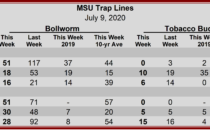
After two months of bollworm trap catches running higher than normal, this week the catches are similar to long-term averages. Tobacco budworm catches were also about average for this time of year.
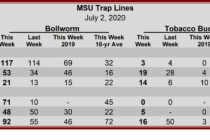
Bollworm pheromone trap catches were higher than long-term averages again this week as they have been all year, while tobacco budworm catches were about the same as long-term averages. As most corn is advancing past the green silk stage, more
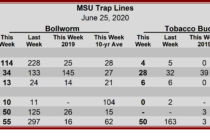
Bollworm pheromone trap catches were not extremely high this week, but June overall set a new high average trap catch and it the high catches were distributed among most monitored counties. To give some perspective, the highest previous years of
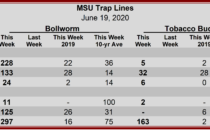
Bollworm pheromone moth trap catches have continued to be very high again this week in nearly all traps across the state. Tobacco budworm trap catches were also high in a few traps, suggesting that worm pressure from both species could
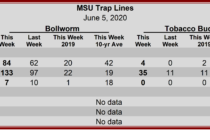
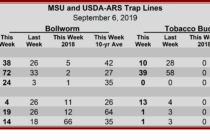
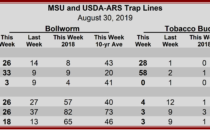
As I have done every year since 2007, 3 or 4 pheromone moth traps each for bollworm and tobacco budworm have been erected in agricultural regions of Noxubee, Lowndes and Oktibbeha counties. They are checked once per week and the
The 2020 Insect Control Guide for Agronomic Crops is now available. Click the following link for the online version 2020 Insect Control Guide or contact your local extension office for hard copies.
Bollworm moth catches were lower in the Delta but higher in the Northeastern Hill region of the state this week compared to last week. Tobacco budworm catches were lower than last week’s peak, but still higher than during most of
Pheromone trap catches of tobacco budworm in Lowndes and Noxubee counties were the highest they have been all year and they were high in most traps in these counties, so it appears to have been a widespread flight. However, tobacco
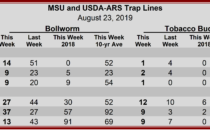
Bollworm pheromone trap catches were down this week compared to last week. They were also low compared to long-term averages for this time of year.
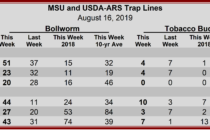
Bollworm moth trap catches rose slightly in the Delta region this week and didn’t change in the Northeastern Hills region. Catches were about average for this time of year. Tobacco budworm catches remained low throughout the state.
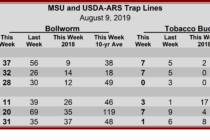
Bollworm trap catches in the Delta appear to be between generations. Moth densities will likely begin to rise soon, so be alert for increased moth activity. Tobacco budworm catches remain low in all areas.
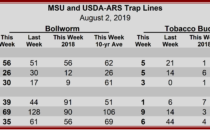
Bollworm pheromone trap counts held steady in the Northeastern Hills region of the state while dropping some in the Delta region. Tobacco budworm counts fell back into single digits after a 1-week spike. Expect to continue to see light to
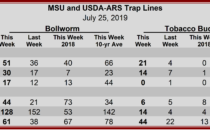
Both bollworm and tobacco budworm trap catches are average to above average this week. Bollworm moths are beginning to emerge from early corn fields, so strong moth flights are expected to continue for awhile since corn was planted over a
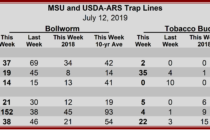
Bollworm pheromone trap catches went down slightly in most counties, but rose sharply in Sunflower county, mostly due to a single trap which caught more than 400 moths during the week. Tobacco budworm catches were up in Noxubee and Washington
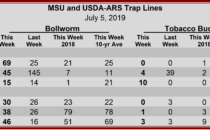
Bollworm moth trap counts rose in all counties except Noxubee, which was extremely high last week. Most corn is no longer attractive to bollworm moths, so these moths are likely to lay most of their eggs in cotton and soybean.
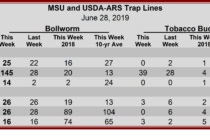
Bollworm and tobacco budworm moth catches in pheromone traps were very high in Noxubee County, but low to average in all other regions. I have been finding an unusually large number of yellow-striped armyworms in my pheromone traps the last
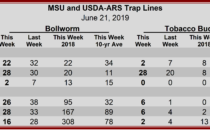
This week’s pheromone trap catches of adult bollworm moths were similar to last week, which are similar to historic levels in NE Mississippi, but much lower than typical in the MS Delta region. Tobacco budworm catches remained low except for 2
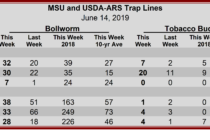
Bollworm moth trap catches changed little from last week and were similar to or lower than long term average catches for the week. Tobacco budworm moth catches were slightly higher this week than last week, but were still lower than
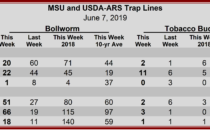
Pheromone traps in the Delta caught about twice as many bollworm moths this week compared to last week while bollworm trap counts in the Northeastern counties declined. Both regions were still lower than last year and long-term average catches. Tobacco
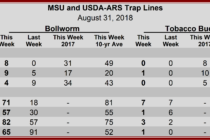
Bollworm moth trap counts rose slightly this week in most locations, with trap counts being comparable to long-term averages. Tobacco budworm trap counts remained low as they have been all year. As most agronomic crops are nearly past the stage
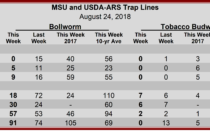
Bollworm pheromone trap catches were similar to lower than last week and tobacco budworm catches were few. For most crops, the threat of an economic bollworm infestation is likely past unless the field was planted very late.
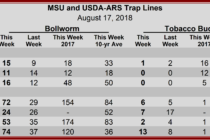
Bollworm trap catches were stable to slightly higher across Mississippi this week compared to the previous week. Delta bollworm trap catches were lower this week than during the same week in 2017. Tobacco budworm trap catches remained low as they
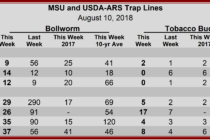
Bollworm moth trap catches were down sharply this week, so hopefully that will translate to a break in bollworm larval pressure soon. Tobacco budworm trap catches remain at very low levels.
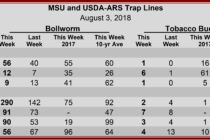
Bollworm pheromone trap catches were somewhat higher in Mississippi this week, especially in Coahoma county. Therefore expect bollworm egg and larval pressure to continue at similar levels for another week in susceptible crops. Tobacco budworm trap catches remain at very
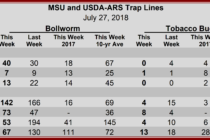
Bollworm pheromone trap catches were down a little this week in most counties. There are still plenty of moths available to lay enough eggs to cause economic damage in susceptible crops, so remain alert for bollworm infestations. Tobacco budworm pressure

© 2023 Copyright Mississippi Crops. All Rights reserved.
