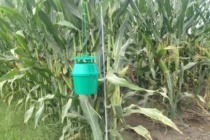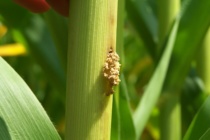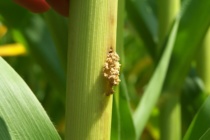
Southwestern Corn Borer Traps – July 22, 2022

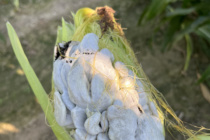
Up until the past week the disease situation in the MS corn crop has been rather quiet. As the crop matures, additional diseases will likely be observed. Aside from Curvularia leaf spot being the most noticeable disease throughout the state, I have received numerous calls regarding corn smut as well as Physoderma brown spot.
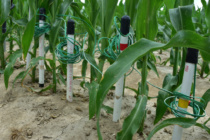
Irrometer Watermark Series: Installation Procedures Publication Number: P3540 View as PDF: P3540.pdf This publication series provides information and recommendations pertaining to the Irrometer Watermark 200SS, a granular matrix sensor commonly used in Mississippi for scheduling irrigation. Future publications will discuss other types
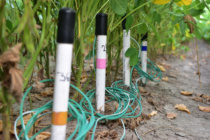
Irrometer Watermark Series: Location Selection This publication series provides information and recommendations pertaining to the Irrometer Watermark 200SS, a granular matrix sensor commonly used in Mississippi for scheduling irrigation. Future publications will discuss other types of soil moisture sensors. Users
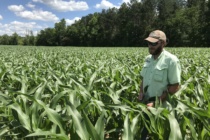
Nitrogen is a hot topic for corn growers due to extraordinary fertilizer prices. Fortunately, there are methods we can employ to improve nitrogen efficiency. This article gives recommendations to improve corn response to nitrogen fertilizer and reduce risk in our Midsouth environment.

Mississippi State University Extension will be hosting several county row crop meetings this month. Each meeting will cover issues specific to the region including management topics on agronomics, insects, weeds, diseases, and economics. A meal will be provided at each
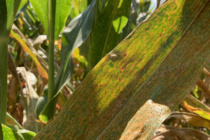
Irrigated locations containing the MSU official corn hybrid trials (OHT) were evaluated for foliar diseases during the 2021 season. Curvularia leaf spot and southern rust were the two most commonly observed diseases. Little if any northern corn leaf blight (NCLB) was observed; however, where observed the evaluations were captured and are contained in the associated tables from each location. Presently, the evaluations from the irrigated locations (n=5) are included in the current post.
Non-irrigated locations containing the MSU official corn hybrid trials (OHT) were evaluated for foliar diseases during the 2021 season. Curvularia leaf spot and southern rust were the two most commonly observed diseases. Little if any northern corn leaf blight (NCLB) was observed; however, where observed the evaluations were captured and are contained in the associated tables from each location. Presently, the evaluations from the non-irrigated locations (n=5) are included in the current post.
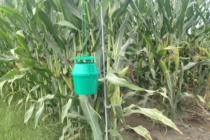
Corn borer trap numbers were variable and fairly low throughout the state this week.
Southwestern corn borer numbers have been very low (0-2 per trap) across the state to date. We are not reporting the table of trap counts for each county this week, but will start posting county numbers next week. One trap
As the Mississippi corn crop approaches tassel, crop health and weather may greatly affect crop response to various management inputs, including nitrogen fertilizer or other products. This article will discuss factors that may affect your strategy and improve your response.
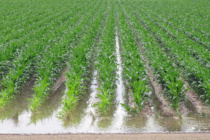
Moisture sensors have shown we can generally do much better timing irrigation needs. The initial irrigation of corn offers considerable opportunity to improve efficiency which can also enhance yields. Regardless of whether you use sensors, we explain methods to help you make irrigation decisions and make more corn.

© 2023 Copyright Mississippi Crops. All Rights reserved.